
If you’re thinking about how to set financial goals for 2026, you’re already ahead of most people. Every December, many of us sit with our journals open, ready to “change our financial life next year.” And then by February, reality hits—unexpected bills, impulse spending, or simply forgetting what we even wrote down. But 2026 doesn’t have to be a repeat of the old cycle.
This year, you can approach your money differently. Not with pressure or guilt, but with clarity, intention, and a system that actually works. The good news? Setting financial goals is not as intimidating as it sounds. You just need a vision, a plan, and the right strategy to track your progress.
In this guide, we’ll walk through how to set financial goals for 2026, how to categorize them, how to prioritize them, examples of goals you can set, and how to track everything using a simple 90-day cycle.
Let’s dive in.
Start With Your Vision: What Does a Successful 2026 Look Like?
Before you talk numbers, savings targets, or budgets, pause.
What does financial success look like for you next year?
For some people, success means buying a house.
For others, it’s simply living without financial stress.
For another person, success might be paying off that stubborn debt or finally starting an investment habit.
Think about what matters to you, not what you think “should” be on your list.
A helpful starting point is asking:
“Why do I want this?”
Your reasons fuel your discipline. For example:
Build an emergency fund so you won’t panic if you lose your job.
Pay off credit card debt so your money can finally work for you.
Save for a vacation so you can enjoy life instead of just grinding.
Once you have the “why,” the “how” becomes easier.
Assess Where You Are Financially
Before setting goals, understand your current financial reality. Think of this like getting on a scale before starting a fitness journey.
Look at:
- Your income
- Your expenses
- Your debt
- Your savings
- Your net worth
This will show you what’s possible and what needs urgent attention.
If you don’t currently have a budget, start with the simple 50/30/20 rule:
- 50% for needs
- 30% for wants
- 20% for savings and debt repayment
This structure alone helps prevent overspending and makes your 2026 financial goals more achievable.
Types of Financial Goals You Should Set for 2026
To understand how to set financial goals, you need to know the three categories of goals you’ll be working with:
Short-Term Goals (within 12 months)
These create stability. Examples:
- Creating a monthly budget
- Building a starter emergency fund
- Paying off high-interest debt
- Setting up automatic savings with a target
Mid-Term Goals (3–5 years)
These require discipline and planning. Examples:
- Paying off student loans
- Saving for a home down payment
- Buying a car
- Investing in a certification or advanced education
Long-Term Goals (5+ years)
These impact your future financial independence. Examples:
- Retirement planning
- Paying off a mortgage
- Building generational wealth
- Creating an estate plan
Understanding these categories helps you prioritize and not confuse urgent goals with long-term dreams.
How to Prioritize Your 2026 Financial Goals
Not every goal is equally important. Before you decide, ask: What’s urgent right now?, What can wait a bit longer? What will make the biggest long-term impact?
For most people, the order usually looks like this:
- Build an emergency fund (for 3–6 months of expenses)
- Pay off high-interest debt
- Start saving for retirement
- Save for big goals (house, car, business, education)
- Build wealth through investing
This helps you avoid using debt to handle emergencies and frees up more income for meaningful goals.
How to Set Financial Goals for 2026 (Practical Step-by-Step)
Here’s the simple 5-step framework:
Step 1: Write down your goals
Putting them on paper makes them real and forces clarity.
Step 2: Attach your “why”
This keeps you motivated when discipline fades.
Step 3: Break them into actionable steps
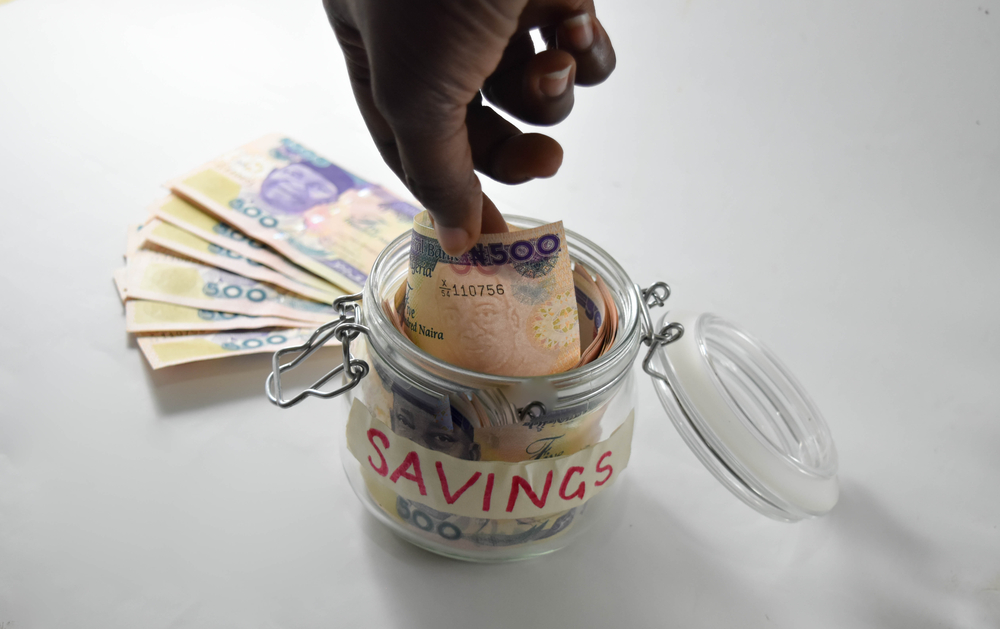
For example, saving N1 million in a year = N83,000 per month.
Step 4: Automate everything
Automatic transfers help you avoid “emotional spending.”
Step 5: Review your progress regularly
Your goals may evolve. Life changes—marriage, kids, career shifts, raise at work.
How to Track Your Goals in 90-Day Cycles
Annual goals often fail because 12 months is too long to stay focused. Enter the 90-day cycle.
Every three months is a great time span to review your progress, adjust your targets and reset your action steps.
Why 90 days?
It’s long enough to see progress, short enough to stay motivated and gives you four opportunities each year to course-correct
Here’s what a 90-day cycle might look like:
Quarter 1 (Jan–Mar)
- Build a N250k starter emergency fund
- Reduce debt by N100k
- Track expenses every week
Quarter 2 (Apr–Jun)
- Increase emergency savings to N500k
- Start investing monthly
- Cut wants spending by 10%
Quarter 3 (Jul–Sep)
- Pay off one debt completely
- Save for a big goal (car, house, school)
- Increase retirement contributions
Quarter 4 (Oct–Dec)
- Review annual progress
- Celebrate wins
- Tracking this way keeps you consistent, accountable, and always moving forward.
Understanding how to set financial goals is only half the work—execution is what changes your life. You don’t need to have everything figured out today. You just need to start.
Your goals don’t have to be perfect. They don’t have to be big. They just have to be yours—and you have to take action. 2026 can be the year everything shifts for you financially. One decision at a time. One 90-day cycle at a time.